%20(1).svg)
Creatine: Benefits, Side Effects, and the Right Dose — What the Science Actually Says

In short
-
Creatine is one of the best-researched and most effective supplements for muscle growth and strength.
-
The recommended dose is 3–5 g per day, including rest days.
-
A loading phase isn't mandatory, but it speeds up the filling of the muscles' creatine stores.
-
The most common side effects are a 1–2 kg increase in body weight from water stored in the muscles and, at high doses, possible mild stomach discomfort.
-
Studies do not support claims that creatine causes kidney damage, dehydration, or cramps in healthy people. The cognitive benefits are real, but often overstated.
-
Creatine doesn't replace a proper training program: it complements good training rather than providing a shortcut around it.
This article explains what creatine does in the body, who may benefit from it, which benefits are well supported, which claimed side effects hold up, how much creatine to take, and what type of creatine to buy.
What is creatine and how does it work?
Creatine is a natural compound produced by the body from amino acids, at roughly one gram per day, mainly in the liver and kidneys. Most of the body's creatine is stored in skeletal muscles, while a typical diet provides another 1–2 g per day, primarily from meat and fish.
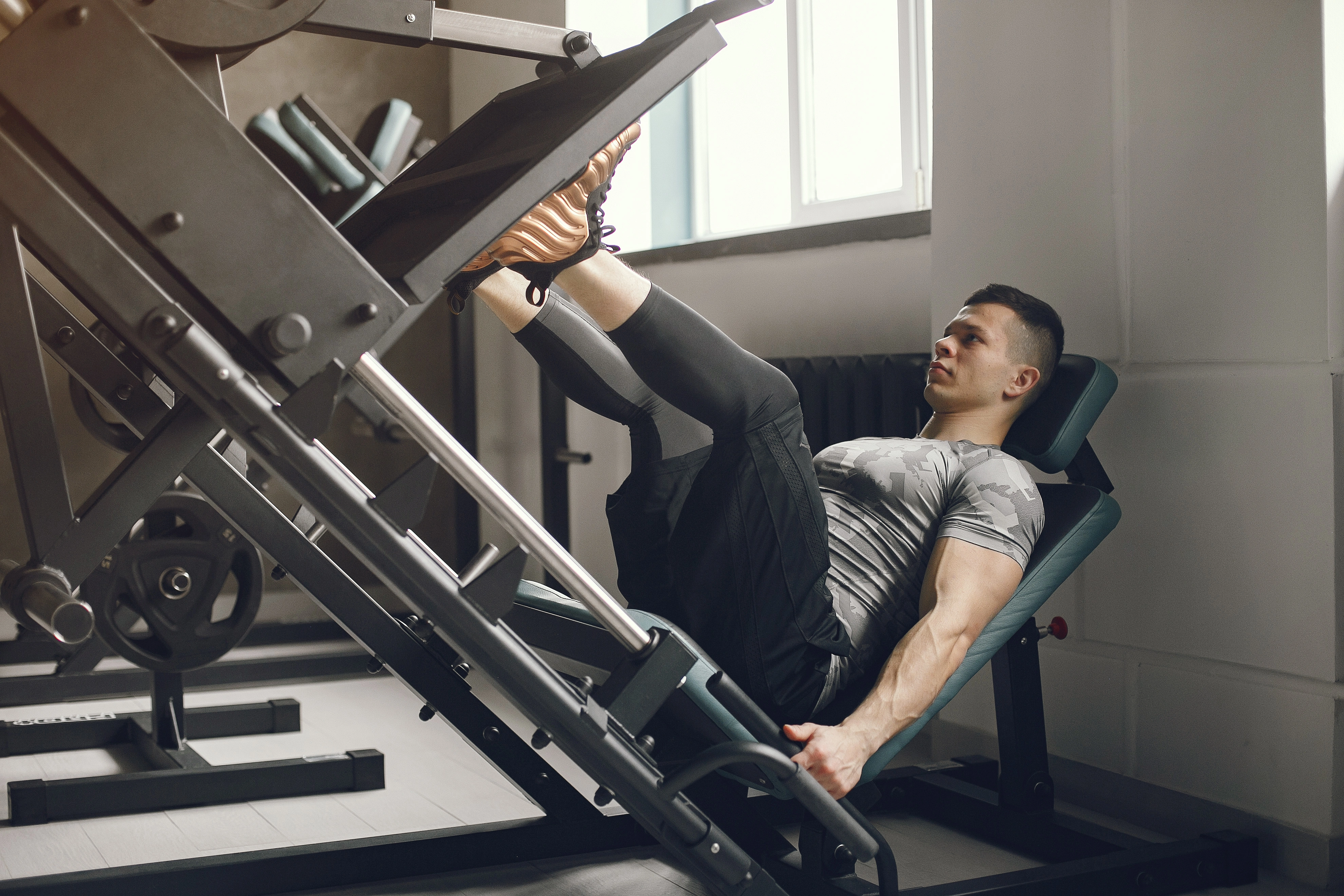
Creatine helps supply energy during short, high-intensity exercise, such as heavy gym sets, sprints, and other power sports with high energy demands. When muscle creatine stores are full, you can often perform one or two more reps with the same weight. The difference in a single workout is small, but over months and years it can add up to a greater training load, better muscle strength, and more muscle growth.
The physiology is straightforward: in muscle cells, creatine is stored mainly as phosphocreatine, also called creatine phosphate. During muscle contraction, adenosine triphosphate (ATP), the body's primary energy-carrying molecule, is broken down to ADP. Phosphocreatine donates a phosphate group to ADP through the creatine kinase system, rapidly regenerating ATP. This fast energy system is especially important during roughly the first 10 seconds of high-intensity work — about the length of a heavy gym set.
What are the benefits of using creatine?
Creatine is one of the few dietary supplements with strong evidence for both effectiveness and safety across hundreds of studies. Creatine supplements are also inexpensive relative to their effect. The evidence is not equally strong for every claimed benefit, however: some effects of creatine supplementation are well established, while other potential benefits still rest on fairly limited research.
|
Benefit |
Strength of the evidence |
In practice: |
|---|---|---|
|
Strength and power output |
Strong, hundreds of studies |
A few percent more strength and slightly better performance across hard sets, often meaning more reps |
|
Muscle growth |
Strong |
Over the long term, more muscle growth through a higher training load |
|
High-intensity performance (e.g. sprints, power) |
Strong |
Better power, repeated-effort performance, and muscle recovery between hard sets |
|
Cognition and the brain |
Weak–moderate |
Benefits appear mainly under greater physiological stress (sleep deprivation, ageing, illness). At a typical 3–5 g dose, the effect in a healthy adult is probably small. |
|
Bone health |
Weak |
No meaningful effect has been found in human studies. |
|
Inflammation and oxidative stress |
Weak–moderate |
Possibly slightly favourable, but not a reason on its own to start using creatine |
How creatine works: strength, power and muscle growth
The evidence is strongest for improvements in muscle strength, power output, exercise performance, and muscle mass. In meta-analyses, effect sizes typically fall between 0.3 and 0.6 (Branch 2003, Forbes et al. 2021), indicating a clear but moderate effect. In practice, creatine can often mean one or two extra reps with the same weight, or a slightly higher training load during resistance training. Over months, that small advantage can accumulate into a measurable difference in muscle performance, athletic performance, strength, and muscle mass.
Where creatine may also help: the brain and cognition
Creatine's potential benefits for brain health, brain function, and cognitive function are much less certain than its effects on exercise performance and muscle growth. Despite the attention the topic receives, the evidence in healthy adults is still fairly limited.
Brain creatine levels do not respond to supplementation as strongly as muscle creatine stores do. Vegetarians, for example, tend to have lower muscle creatine stores than omnivores, but no comparable difference has been observed in brain creatine levels. According to a review by Roschel et al. (2021), supplementation increased brain creatine by about 5–10%, compared with a typical 20–40% increase in muscle. A meaningful effect on the brain may therefore require substantially larger doses than usual.
So far, cognitive benefits have mainly been observed when the brain is under greater-than-usual strain, such as during sleep deprivation, low-oxygen conditions, ageing, or certain illnesses. Older adults are one group in which this area has been studied. In a healthy, well-rested adult, the usual 3–5 grams per day probably will not meaningfully improve memory, concentration, or other aspects of cognitive performance.
What are the side effects of creatine?
Creatine's side effects are generally much milder than is often claimed. Creatine monohydrate has been studied in hundreds of trials, including studies lasting as long as five years, and the evidence supports its long-term safety in healthy people. Individual tolerance can still vary, so it makes sense to pay attention to how your own body responds to supplementation.
The most common effects are a 1–2 kg increase in body weight from water retention in the muscles, rather than fat, and occasional mild stomach discomfort. Claims that creatine causes kidney damage, liver damage, dehydration, or more muscle cramps are not supported by the research evidence in healthy people.
|
Claim |
What the research says |
|---|---|
|
Creatine damages the kidneys |
No research evidence in healthy people. Creatinine is a breakdown product of creatine, so an elevated creatinine reading in a blood test is not, by itself, a sign of kidney damage. |
|
Creatine strains the liver |
No research evidence in healthy people. |
|
Creatine causes dehydration |
No research evidence. Creatine increases total body water and may even improve thermoregulation. |
|
Creatine causes cramps and strains |
No research evidence. Some studies even suggest a lower injury risk. |
|
Creatine raises body weight |
Yes. Weight usually rises by 1–2 kg as more water is stored in the muscles, not because of fat gain. |
|
Creatine causes stomach discomfort |
Partly. This is the most common potential side effect, and it can usually be reduced by adjusting the dose or how you take it. |
|
Creatine causes hair loss |
The evidence is very weak. The claim rests on a single older study that has never been replicated. |
|
Creatine disrupts sleep |
No research evidence. |
|
Creatine causes bloating |
No research evidence. |
|
Creatine causes acne |
No research evidence. |
Weight gain
When muscle creatine stores fill, water is also retained inside the muscle cells. In loading-phase studies, body weight typically rises by 1–2 kg, while total body water increases by about 1.3–2.3 litres.
This is not fat or generalized bloating. In practice, moderate weight gain is a sign that your muscle creatine stores are increasing. If you're dieting and tracking your weight, a gradual rise over 2–4 weeks can temporarily mask fat loss. In that situation, a loading phase can make tracking simpler: your weight rises over a few days, after which you can continue from a new baseline.
If you're tracking your weight during a diet, it's also worth reading our guide on how much protein per day to eat during weight loss.
Stomach discomfort
Stomach discomfort can affect some people, although it isn't very common. Typical symptoms include bloating, loose stools, and burping. They are usually linked to a single dose that is too large or to creatine powder that has not dissolved properly. The problem often clears up without stopping creatine altogether. Try these approaches in this order:
-
Stop the loading phase and switch to the maintenance dose (3–5 g/day).
-
Take creatine with a meal.
-
Dissolve the powder thoroughly in a larger volume of liquid or a warm drink.
-
Split the daily dose into two parts (e.g. 2 × 2.5 g).
Kidneys and liver
Can creatine damage the kidneys or liver? In healthy people, the research evidence doesn't support this claim.
The confusion comes from the fact that creatinine is a breakdown product of creatine and is commonly used as a marker of kidney function. When you take creatine (3–5 g per day), blood creatinine can rise. That does not necessarily mean kidney function has declined — it may simply reflect the fact that the body is breaking down more creatine.
If you have blood tests while using creatine, tell your doctor about it before your kidney values are interpreted. An abnormal result should still be taken seriously, but it needs to be interpreted in the right context.
Studies have not shown creatine to damage the kidneys or liver in healthy people. If you have kidney disease or a diagnosed liver condition, however, talk with your doctor or another healthcare provider before starting creatine.
Hair loss
The claim that creatine causes hair loss rests on a single 2009 study in which DHT levels rose in rugby players taking creatine. The study did not measure hair loss, the finding has never been replicated, and there is no conclusive evidence that creatine causes hair loss.
Using creatine: how much creatine should you take?
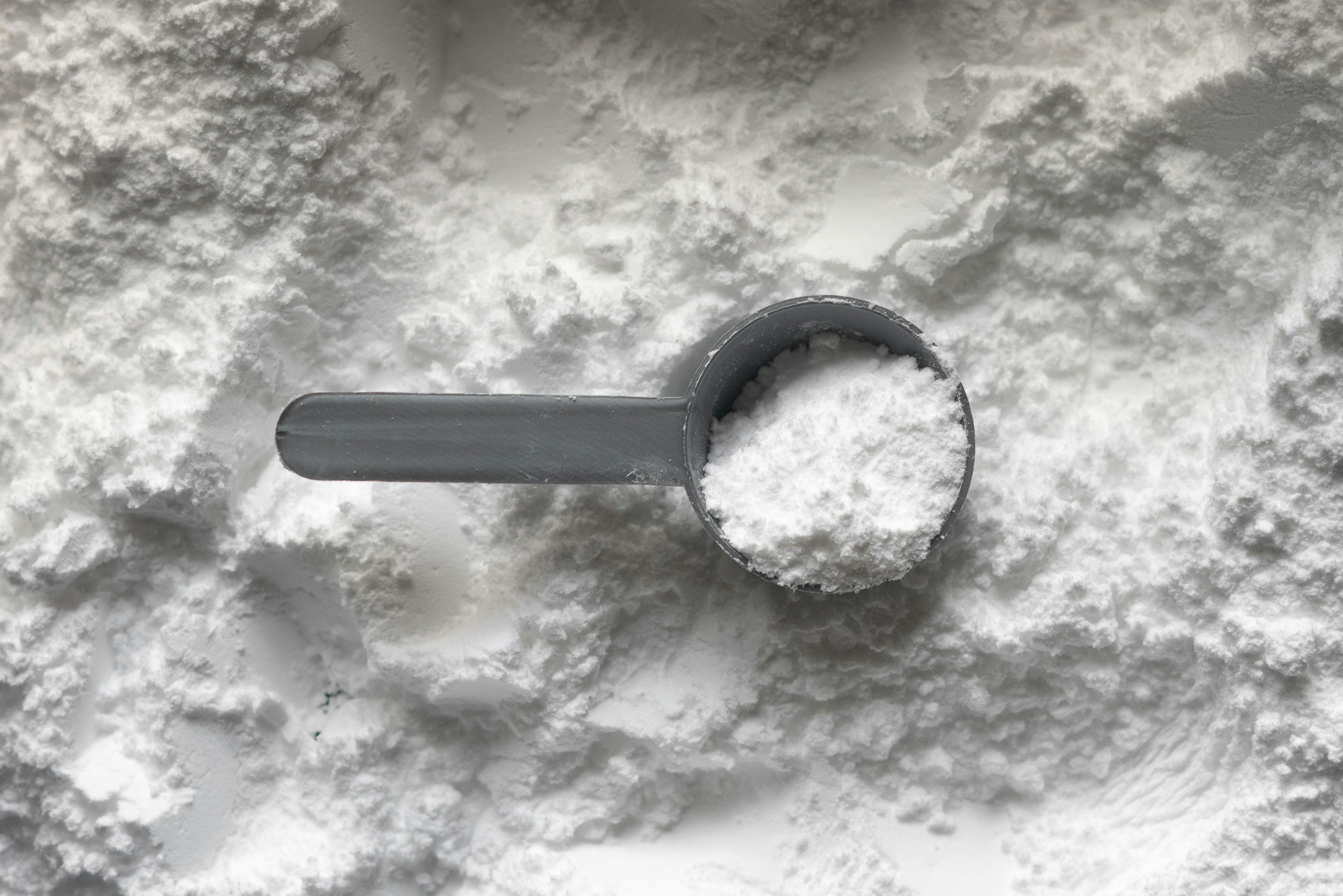
The standard dose is 3–5 g of creatine monohydrate per day, every day, including rest days. At this dose, muscle stores fill in about 3–4 weeks. Most adults can take creatine daily, usually once a day with water or another liquid.
The dose can also be scaled to body weight. Based on studies, an effective dose is about 0.04 g per kilogram of body weight per day, but for most adults 3–5 g of creatine monohydrate per day is the simplest practical recommendation.
|
Body weight |
Recommended daily dose |
|---|---|
|
50–70 kg |
3 g |
|
70–90 kg |
3–5 g |
|
Over 90 kg |
5 g |
A daily dose below 3 g may be too low to be effective. In studies, 1–2 g per day has not improved performance, muscle mass, or functional capacity, so for most people a practical recommendation is at least 3 g per day.
Should you load creatine?
Usually no. During a loading phase, you take 20–25 g of creatine per day for 5–7 days, then switch to a maintenance phase of 3–5 g per day. Loading fills creatine stores in about a week, compared with about 3–4 weeks without loading. The end result is the same.
Loading is mainly useful when you want the effects sooner, or when you want the initial weight gain to happen quickly, for example during a diet. Otherwise, it mainly increases the risk of stomach discomfort.
Do you need to take breaks from creatine?
No. The body's own creatine production decreases during supplementation but returns to normal after you stop. Long-term use has not been shown to permanently suppress the body's creatine production, so there is no research-based reason to cycle creatine.
When should you take creatine?
Does timing matter?
Timing makes very little practical difference; what matters is the total daily dose. In one small meta-analysis, taking creatine after training produced slightly greater gains in fat-free mass than taking it before training, but the difference was too small to be practically meaningful.
In practice, take creatine at whatever time you are most likely to remember it. For many people, the easiest option is with a daily meal or recovery drink.
What about coffee and creatine?
Ordinary coffee drinking isn't a problem. In a few studies, a large caffeine dose (about 5 mg/kg) during the loading phase reduced creatine's performance benefit.
In practice, there is no need to avoid ordinary coffee. If you use a loading phase or take large caffeine doses (e.g. in a pre-workout), it may be sensible to take them at a different time from creatine.
Which creatine should you buy?
Choose creatine monohydrate. It is the most widely used and best-researched form of creatine supplement. Over 95% of creatine research has used monohydrate, and it is also the cheapest form. Other forms of creatine are available, but they have not been shown to outperform monohydrate.
In a systematic review by Fazio et al. (2021), no other form of creatine was more effective than monohydrate, even though alternative forms often cost nearly twice as much.
In practice, monohydrate fills muscle creatine stores just as effectively as the more expensive options. Based on the research evidence, the extra cost brings no added benefit.
Purity, origin and Creapure
Commercial creatine is made synthetically, so the supplement itself is the same regardless of the country of manufacture. The differences arise from the purification process and quality control.
Today, most established manufacturers achieve more than 99% purity. The German Creapure brand is the best-known quality standard, with purity typically above 99.95%, but it is not the only high-quality option.
The country of manufacture tells you little on its own. The manufacturer's quality systems (e.g. GMP), third-party testing, and reputation matter more.
Shopping list:
Creatine monohydrate
A well-known manufacturer, purity at least 99%
GMP manufacturing
For competitive athletes, choose a third-party-tested product (Informed Sport, Informed Choice, or NSF Certified for Sport) to reduce the risk of impurities that could lead to a doping violation.
Who benefits most from creatine — and who may not?
Creatine tends to have a greater effect when baseline creatine stores are lower. How well creatine works can therefore vary between people. Two practical observations follow from this:
Vegetarians tend to benefit more than average. Dietary creatine comes mainly from meat and fish, so vegetarians typically start with lower muscle creatine stores and may see a greater performance benefit from supplementation.
Some people benefit very little or not at all. So-called non-responders are estimated to make up 20–30% of creatine users and typically have creatine stores that are already close to full. Some people therefore respond clearly, some barely at all, and most fall somewhere in between. If you notice no change in body weight or performance while taking creatine supplements, you may be in the group that gains little from creatine.
How much does creatine increase strength? In studies, creatine typically improves maximal strength by about 5–8% more than strength training alone. The effect does not come from a single workout, but from being able to complete slightly more high-quality training week after week. (https://pubmed.ncbi.nlm.nih.gov/39519498/) (Branch 2003).
Creatine can help, but it isn't the foundation
Creatine can provide a small performance advantage. These athletic benefits are useful, but they need perspective: your strength training, total physical activity, training volume, consistency, progression, and exercise selection matter far more for your results and overall health.
That is why your training program should be in order before you spend much time optimising supplements. Individual training volume, appropriate loads, and progression determine your long-term development. Managing all of this manually week after week takes time, which is exactly what AITOFIT was built to handle.
AITOFIT is a Finnish AI training app developed by exercise scientists at the University of Jyväskylä. It sets your weights, reps, and set counts and manages progression automatically. Over 5,400 users have rated the app an average of 4.9/5.
You can try AITOFIT free for 9 days without a credit card.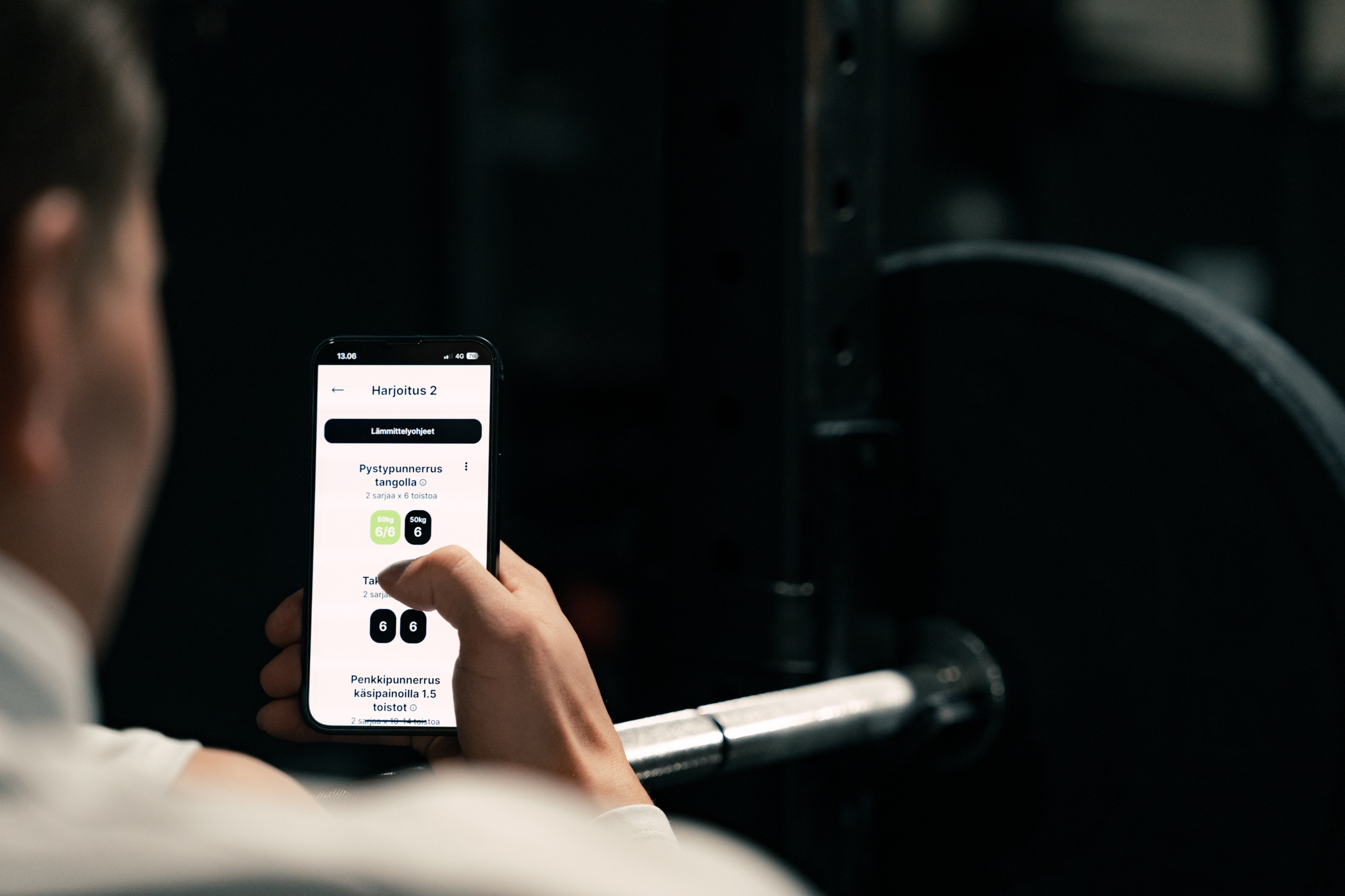
Frequently asked questions about creatine
What does creatine do in the body?
Creatine is stored in skeletal muscles mainly as phosphocreatine and acts as a fast energy source. During high-intensity exercise, ATP breaks down to ADP; phosphocreatine donates a phosphate group and ATP is reformed almost immediately. This is why creatine helps most during short, maximal efforts such as a heavy gym set. In practice, you may be able to sustain the effort slightly longer.
How much creatine should you take per day?
3–5 g of creatine monohydrate per day, every day, including rest days. Scaled to body weight, an effective dose is 0.04 g per kilogram. A daily dose below 3 g may be too low to be effective — for example, 2 g per day for six months did not improve swimmers' performance.
Do you need to load creatine?
No, you don't. A loading phase (20–25 g/day for 5–7 days) fills the stores in about a week, whereas a 3–5 g daily dose takes 3–4 weeks. The end result is the same. Loading is mainly useful when you want the effect sooner, or when you're dieting and want the initial weight gain to happen quickly so your weight trend is easier to track.
Is creatine harmful to the kidneys?
No, not in healthy adults. Creatine can raise the creatinine value in a blood test, but that doesn't mean kidney damage or impaired kidney function. Tell your doctor about your creatine use if your kidney values are being measured. If you have kidney disease or a liver condition, discuss creatine use with a healthcare provider.
Does creatine cause hair loss?
No. The claim rests on a single small 2009 study. The study didn't measure hair loss at all, and current research
evidence doesn't support a link between creatine and hair loss.
Does creatine make you fat?
No. Creatine typically increases body weight by 1–2 kg, but the increase comes from water stored in muscle cells along with creatine. Creatine has no direct effect on fat mass. Moderate weight gain is therefore a sign that muscle creatine stores are increasing.
Can you take creatine with coffee?
Ordinary coffee drinking isn't a problem. In a few studies, however, a large daily caffeine dose (about 5 mg/kg) during the loading phase reduced creatine's benefits. A practical approach is to keep caffeine intake moderate and take creatine at a different time from pre-workouts or large coffee doses.
Do you need to take breaks from creatine?
No, you don't. Your own creatine production decreases during supplementation but returns to normal after you stop. Long-term use has not been shown to cause permanent suppression, so there is no physiological basis for cycling.
Which creatine should you buy?
Choose creatine monohydrate. It is the best-researched, cheapest, and most effective form of creatine. Look for at least 99% purity and GMP-certified manufacturing. Creapure is the best-known quality standard, but it is not the only good option.
When should you take creatine?
Timing matters very little. What matters most is taking 3–5 g of creatine monohydrate every day. Take it whenever you are most likely to remember it, for example with a meal or around your workout.
How quickly does creatine start to work?
With a loading phase, the effects usually begin within about a week. Without loading, muscle creatine stores fill in about 3–4 weeks, after which the performance benefit is essentially the same.
Summary
Creatine monohydrate is one of the few supplements with strong evidence for effectiveness and a well-established safety profile. Keep these points in mind:
-
3–5 g of creatine monohydrate daily, including rest days.
-
A loading phase isn't essential. It speeds up the onset of the effect but doesn't change the end result.
-
Breaks aren't needed. The body's own creatine production returns to normal after use stops.
-
The 1–2 kg weight gain is water, not fat.
-
Stomach discomfort is the most common side effect, and it usually improves when the dose or dosing schedule is adjusted.
-
Based on the research evidence, creatine does not damage the kidneys or liver of healthy people.
-
Choose creatine monohydrate. More expensive forms have not been shown to be more effective.
-
Creatine supports training, but doesn't replace a good training program.
Once your creatine intake is in order, make sure your training program is too, so you can make the most of the performance benefit creatine provides. Try AITOFIT free for 9 days — it adjusts the weights, reps, set counts and progression automatically to suit your development.
Sources: Kreider et al. (2017), International Society of Sports Nutrition position stand: safety and efficacy of creatine supplementation in exercise, sport, and medicine. Journal of the International Society of Sports Nutrition. Hall, Manetta & Tupper (2021), Creatine Supplementation: An Update. Current Sports Medicine Reports. Jäger et al. (2011), Analysis of the efficacy, safety, and regulatory status of novel forms of creatine. Amino Acids. Fazio et al. (2021), Efficacy of Alternative Forms of Creatine Supplementation on Improving Performance and Body Composition in Healthy Subjects: A Systematic Review. Journal of Strength and Conditioning Research. Neto et al. (2018), Effects of Low-Dose Creatine Monohydrate on Muscle Strength and Endurance. Asian Journal of Sports Medicine. Harris, Söderlund & Hultman (1992), Elevation of creatine in resting and exercised muscle of normal subjects by creatine supplementation. Clinical Science. Branch (2003), Effect of Creatine Supplementation on Body Composition and Performance: A Meta-Analysis. International Journal of Sport Nutrition and Exercise Metabolism. Forbes et al. (2021), Meta-Analysis Examining the Importance of Creatine Ingestion Strategies on Lean Tissue Mass and Strength in Older Adults. Nutrients. Forbes et al. (2022), Effects of Creatine Supplementation on Properties of Muscle, Bone, and Brain Function in Older Adults: A Narrative Review. Journal of Dietary Supplements. Roschel et al. (2021), Creatine Supplementation and Brain Health. Nutrients. Candow et al. (2022), Creatine O'Clock: Does Timing of Ingestion Really Influence Muscle Mass and Performance? Frontiers in Sports and Active Living. van der Merwe et al. (2009), Three weeks of creatine monohydrate supplementation affects dihydrotestosterone to testosterone ratio in college-aged rugby players. Clinical Journal of Sport Medicine. Vandenberghe et al. (1996), Caffeine counteracts the ergogenic action of muscle creatine loading. Journal of Applied Physiology. Hespel et al. (2002), Opposite actions of caffeine and creatine on muscle relaxation time in humans. Journal of Applied Physiology. Ostojic & Ahmetovic (2008), Gastrointestinal distress after creatine supplementation in athletes. Research in Sports Medicine. Ilander, O. et al. (2021), Liikuntaravitsemus 3.0. VK-Kustannus Oy.
Author: Julius Granlund, M.Sc. in Exercise Science (Exercise Physiology), University of Jyväskylä | Reviewed by: Tapio Tulenheimo, M.Sc. in Exercise Science (Exercise Physiology), University of Jyväskylä
Individualized and evidence-based personal training made easily accessible to everyone.


